Owning a period home in Melbourne is a privilege. Whether it’s a Victorian terrace, an Edwardian classic, or a Californian Bungalow, these properties are part of our city's architectural story. But renovating them is a responsibility.
How do you add a modern extension without it looking "stuck on"? How do you upgrade your home for 21st-century living while respecting its original soul? And most importantly, how do you navigate the complex world of heritage overlays?
This guide is here to help.
The Challenge: Heritage Overlays
The first thing to understand is the Heritage Overlay (HO). This is a set of council rules designed to protect the character of a property or area. An HO doesn't mean you can't renovate; it means your renovation must be sensitive, sympathetic, and respectful of the original building.
This is where many projects go wrong before they even begin. A builder who doesn't specialise in heritage work may misunderstand the rules, leading to costly delays, council disputes, and a final design that feels compromised.
Common Mistakes to Avoid
Using the Wrong Builder: A general builder may be great at new homes, but heritage work is a different craft. It requires specialist tradespeople (like tuck-pointers or ceiling-rose specialists) and a deep understanding of old-world construction methods. A heritage specialist knows how to blend old and new, how to treat delicate materials, and how to work with the council, not against them.
Rushing the Design: A successful heritage renovation is all about planning. The design must thoughtfully consider how to bring in natural light, create modern, open spaces, and connect the new with the old. A "tacked on" box is the worst possible outcome.
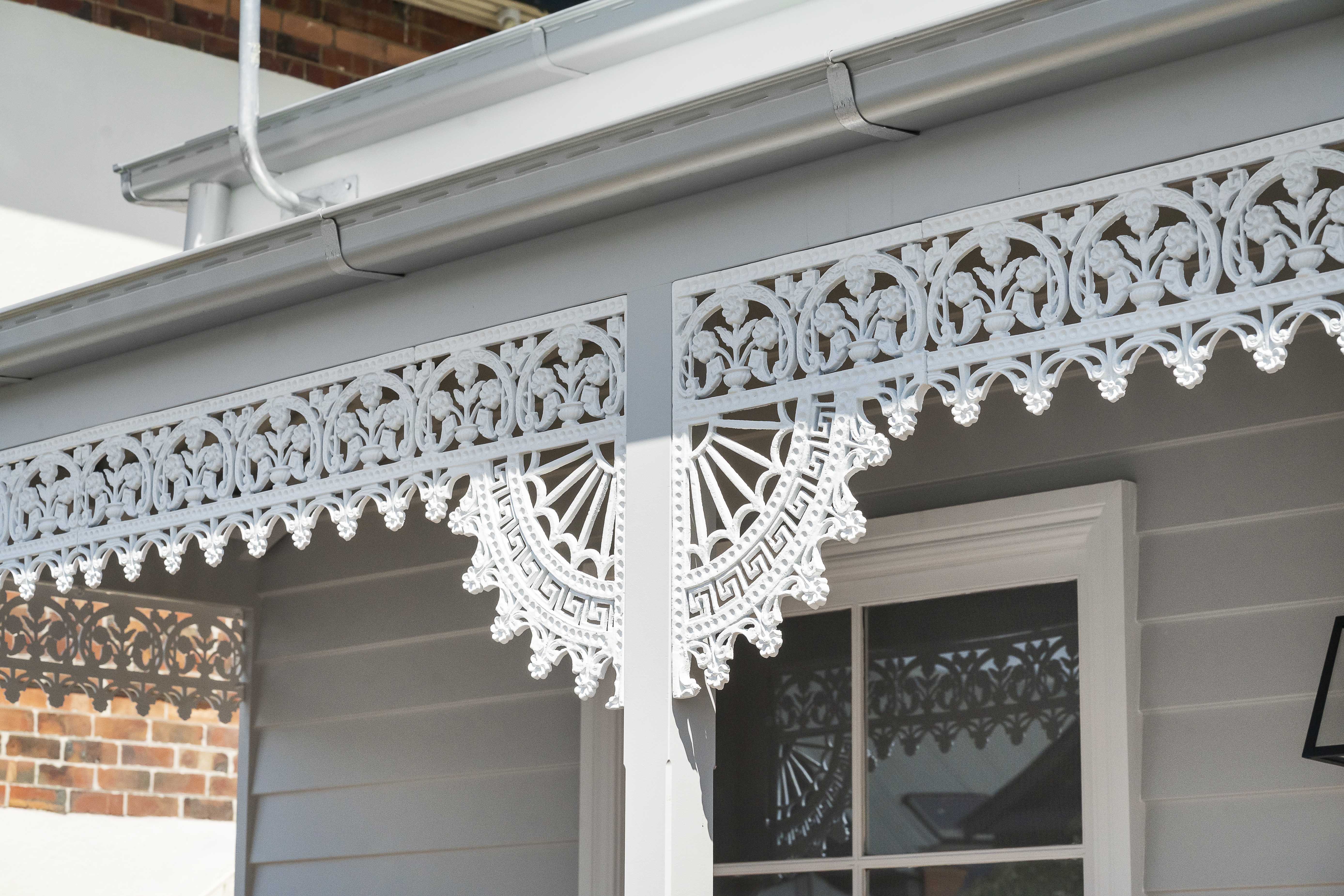
Choosing Mismatched Materials: The goal is a seamless transition, not a jarring contrast. A heritage expert will guide you on material choices that respect the original palette (like recycled timbers, natural stone, or matching brickwork) while still feeling contemporary.
The Goal: A Seamless, Modern Home
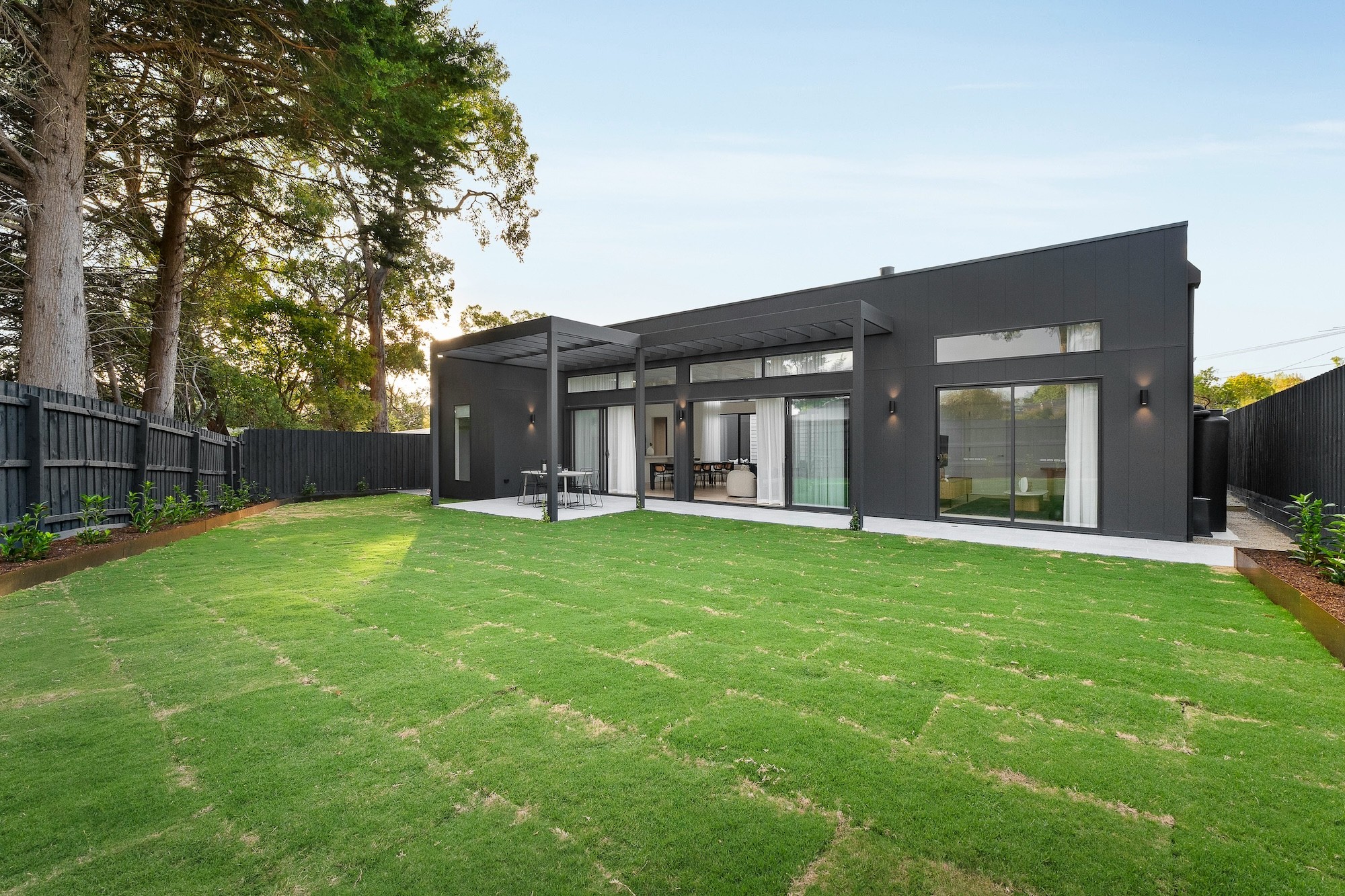
The most successful heritage renovations are those where you can't tell where the old ends and the new begins. It’s about creating a flawless "dialogue" between the two eras. A modern extension can—and should—be filled with light and open space, but it must connect to the original home with purpose.
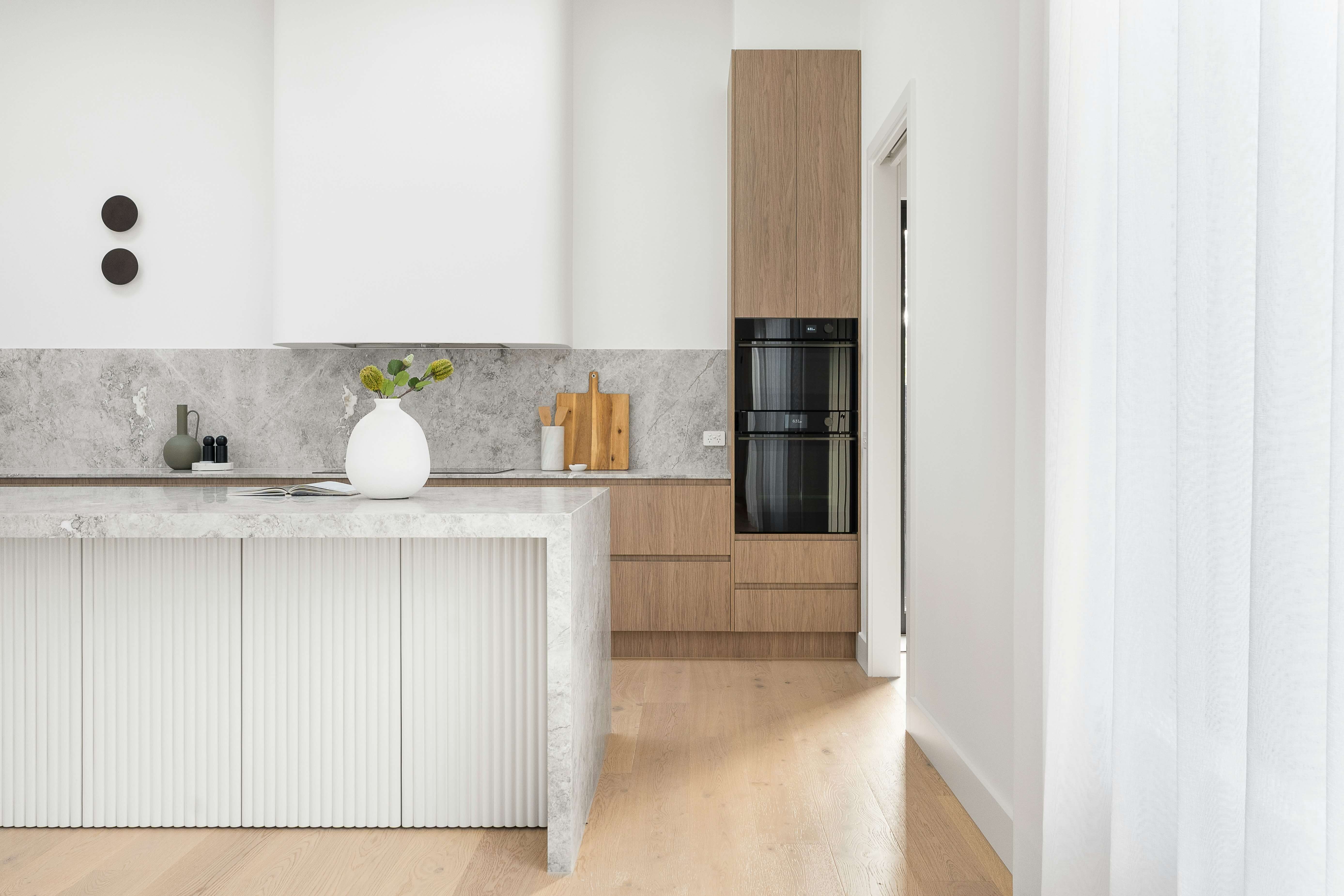
This might be achieved by using a consistent flooring material (like European Oak) throughout, or by repeating a key design element, like a ceiling height or a specific colour, to tie the two zones together.
Renovating a heritage home is a complex and rewarding journey. But you don't have to do it alone.
Ready to explore your heritage home's potential? Contact the Mileo Construction team to book an initial consultation.